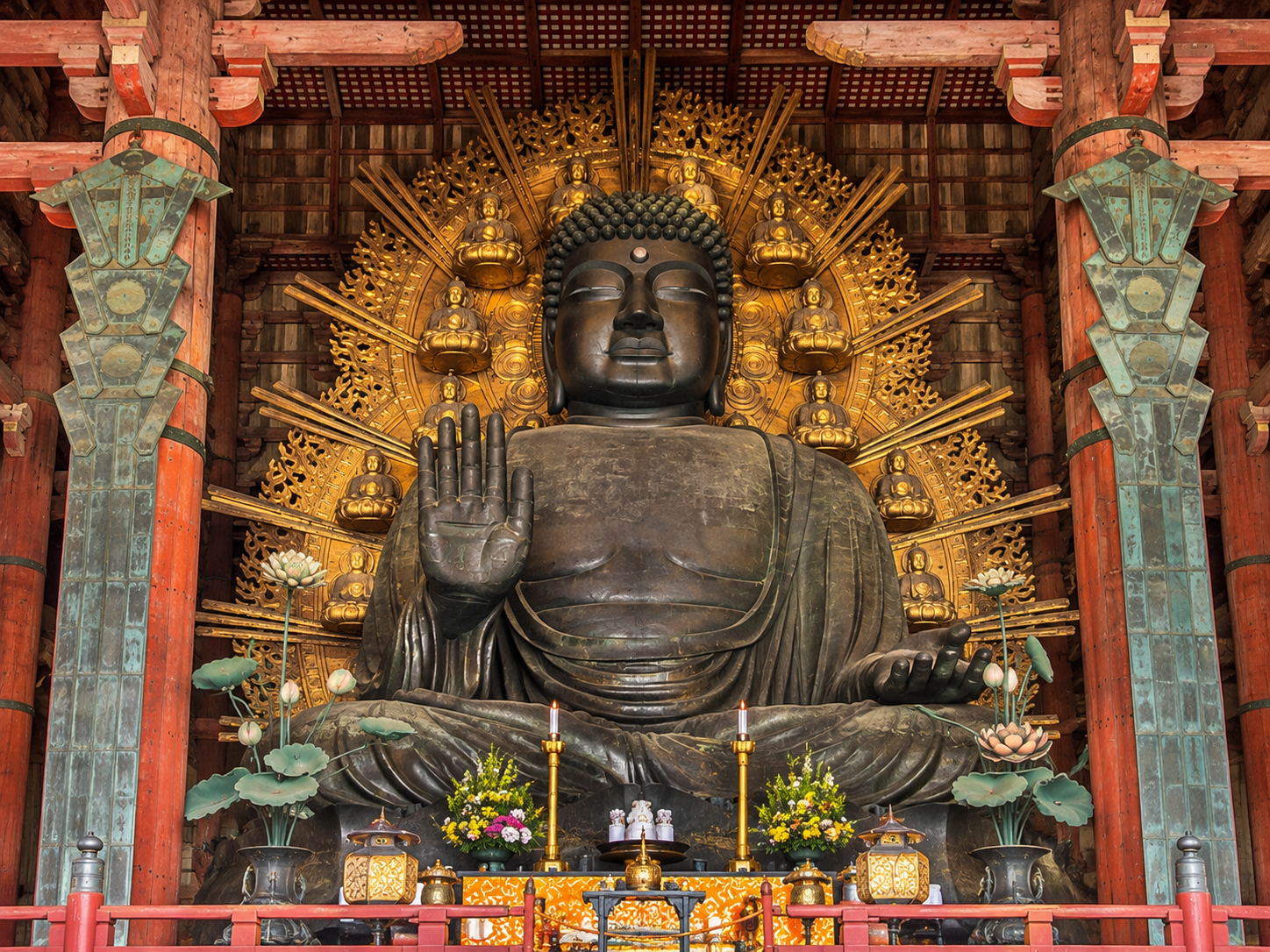
Takayama — Where Time Moves Differently
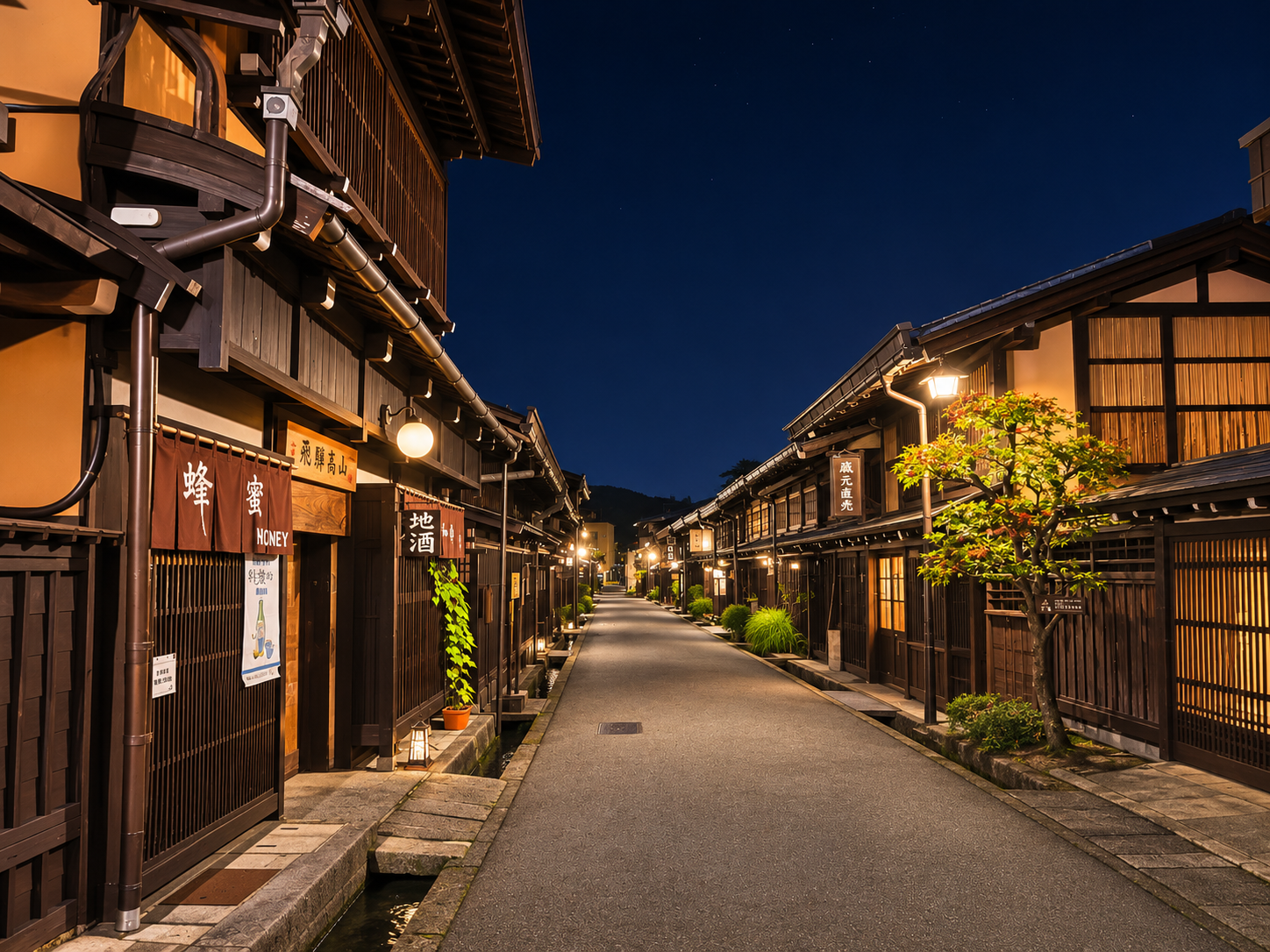
Wooden houses, sake breweries and quiet streets in the heart of the Japanese Alps.
There are places in Japan where the past survives behind museum doors. And then there are places like Takayama, where history is still part of the streets you walk through.
Nestled in the mountains of the Hida region, Takayama is best known for its beautifully preserved old town, where traditional wooden merchant houses line narrow streets, their dark timber façades creating an atmosphere that seems to belong to another century.
The historic Sanmachi Suji district is the heart of this experience.
Behind wooden lattice windows, small shops sell local crafts, traditional sweets and regional specialities. Narrow water channels run alongside the streets, while old sake breweries preserve one of the region's most celebrated traditions.
Look for the large cedar balls, known as sugidama, hanging outside some of the breweries. Traditionally, they announce the arrival of freshly brewed sake, gradually turning brown as the season progresses.
But Takayama is not simply a collection of beautiful old buildings.
What makes it memorable is the rhythm of everyday life.
When the Streets Fall Silent
As evening approaches, something unexpected happens.
The shops close, the daytime visitors disappear, and the historic centre becomes remarkably quiet.
Unlike Tokyo or Kyoto, where restaurants and illuminated streets can remain lively well into the night, Takayama's old town seems to retreat into itself.
Many shops and breweries close in the late afternoon, and even finding a place for dinner can require a little planning.
Yet this quietness is part of its charm.
Walking through the narrow streets after dark, with the wooden façades softly illuminated and almost nobody around, feels like stepping into a different time.
There are no crowds, no distractions, just the sound of your footsteps and the occasional light glowing behind a traditional window.
It is a side of Takayama that daytime visitors rarely experience.
A Slow Morning in the Mountains
The following morning, the city awakens gradually.
In a quiet square, you might come across someone practising tai chi, moving slowly through the early morning air.
Along the Miyagawa River, the morning market begins to come alive. Small stalls offer local produce, handmade objects, snacks and regional specialities.
But the historic shopping streets are still largely asleep.
Many shops do not open until later in the morning, creating an interesting contrast between the early activity of the market and the peaceful atmosphere of the old town.
There is no reason to rush.
A walk along the river, a visit to the market and a quiet breakfast can be the perfect way to begin the day before the shops and sake breweries welcome their first visitors.
The Art of Planning Your Time
Takayama's slower rhythm is beautiful, but it can also surprise travellers who arrive without considering local opening hours.
Reaching Takayama from Tokyo generally requires around four and a half to five hours by train, usually travelling via Nagoya.
This means that a considerable part of the day can disappear in transit.
If you have only one night in Takayama, it is worth planning your arrival carefully.
Explore the historic centre, visit the sake breweries and enjoy the local shops while they are still open. Then, if you are staying in a traditional ryokan, dedicate the evening to a relaxing onsen bath and dinner.
The next morning, enjoy the market along the river before continuing your journey.
If your itinerary allows it, however, two nights offer a more relaxed experience.
You can explore the old town without watching the clock, discover its quieter corners and appreciate the different atmosphere of the city throughout the day.
Because Takayama is not a place that reveals everything at once.
It is a place to experience slowly.
And sometimes, the most memorable moment is simply walking through an empty street, surrounded by centuries-old wooden houses, while the rest of the world seems very far away.
The Understory — Beyond the obvious.
Practical Notes
Location: Takayama, Gifu Prefecture, Japanese Alps.
Getting there: From Tokyo, travel by Shinkansen to Nagoya and continue on the JR Hida Limited Express to Takayama. Allow approximately 4.5–5 hours, depending on connections.
Historic district: Sanmachi Suji, known for traditional merchant houses, craft shops and sake breweries.
Typical shop hours: Many shops open around 9:00–10:00 AM and close between 4:00 and 5:00 PM. Individual schedules vary.
Morning market: The Miyagawa Morning Market usually starts around 7:00 AM in warmer months and 8:00 AM in winter, continuing until around noon.
Sake breweries: Look for the traditional sugidama hanging outside. Opening hours and tasting opportunities vary.
Evenings: The old town becomes very quiet. Plan dinner ahead, especially if your ryokan does not include meals.
Recommended stay: One night is possible with careful planning; two nights allow a more leisurely exploration.
Worth knowing: If you have only one afternoon, prioritize the historic streets and breweries before they close. Save the ryokan onsen for the evening.